
Cabinet Handles & Drawer Knobs Buying Guide
Choosing the right cabinet handle or drawer knob comes down to two things: picking a material that suits how the piece is used, and choosing a style and colour that actually feels like yours. This guide covers both, plus installation basics — with a bit more room given to the creative side, since that’s usually the harder decision.
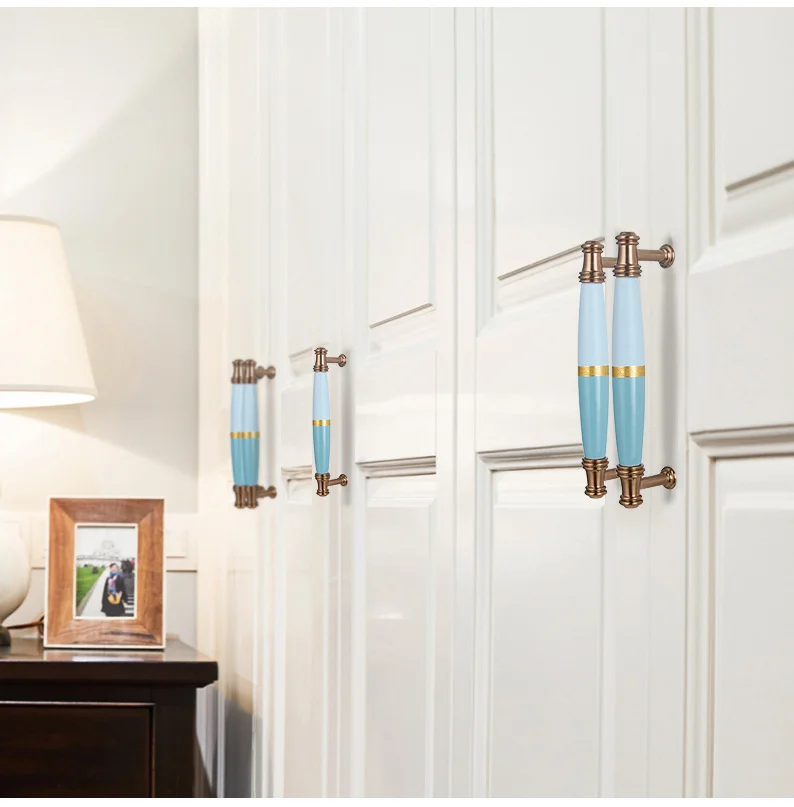
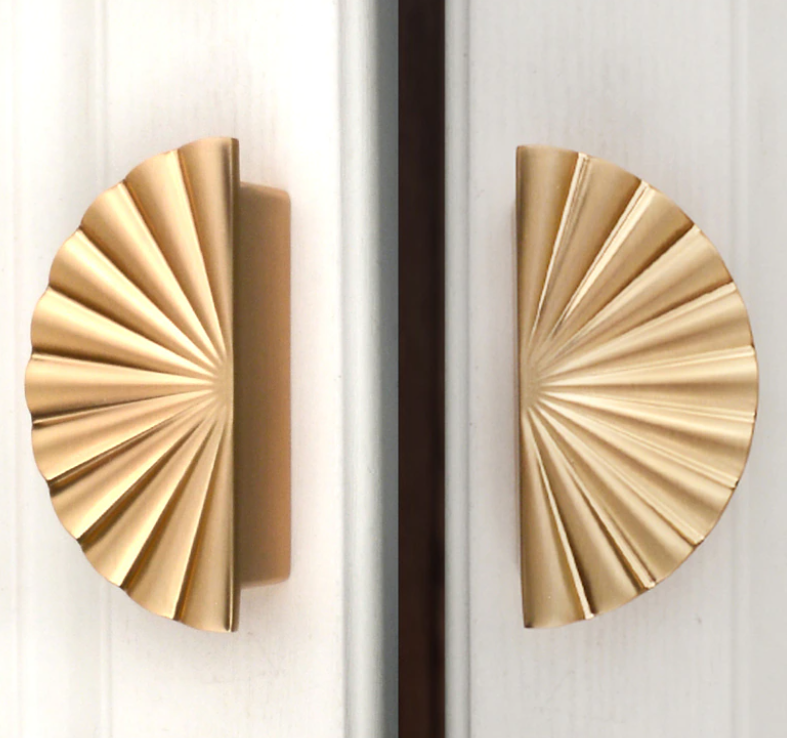
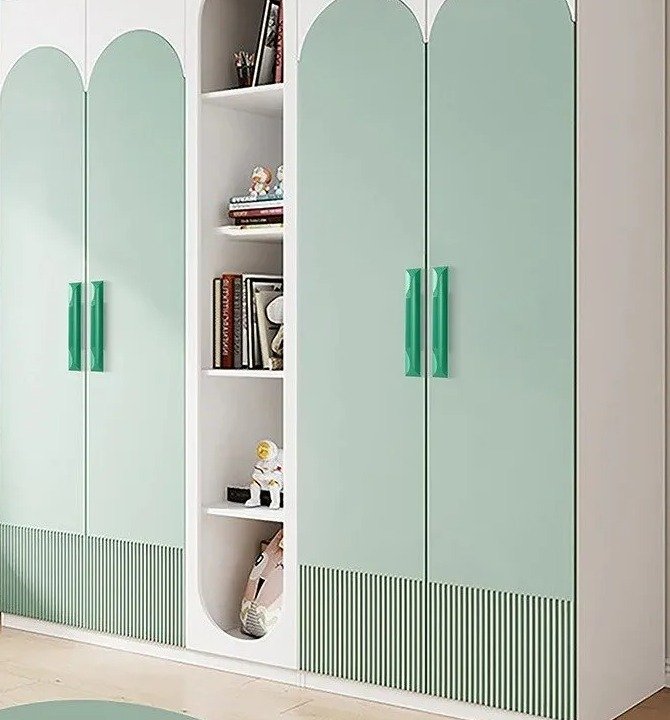
Zinc Alloy vs Brass vs Ceramic: Choosing a Material
| Material | Look & Feel | Best For | Care |
|---|---|---|---|
| Zinc alloy | Solid weight, wide range of finishes (bronze, brushed, antique) | Everyday kitchen/bathroom cabinets — good durability-to-cost ratio | Wipe clean, avoid abrasive cleaners on plated finishes |
| Brass | Warm, classic tone; ages into a natural patina | Vintage, antique, and traditional-style rooms | Polish occasionally if you want to maintain shine; patina develops naturally if left untreated |
| Ceramic | Painted, glazed, or patterned finishes — most decorative variety | Feature pieces, novelty designs, kids’ rooms, statement drawers | Handle with care during installation — ceramic can chip if over-tightened or dropped |
If the handle will see heavy daily use (a main kitchen drawer, for example), zinc alloy or brass will hold up better long-term than ceramic. Save ceramic and more delicate decorative finishes for lower-traffic pieces — a display cabinet, a bedroom dresser, or a kids’ room wardrobe.
Choosing a Style: Give Yourself Permission to Have Fun With It
Cabinet handles are one of the smallest, cheapest changes you can make to a room — and one of the very few that lets you take a genuine creative risk without much at stake. If a whole new sofa or a repainted kitchen feels like too big a commitment, swapping the hardware is the low-risk way to experiment first
A few ways to think beyond “does it match”:
- Let the hardware be the jewellery, not the outfit. A plain, quiet kitchen or a simple timber dresser is often the best backdrop for a bolder handle choice — an abstract sun design, a hand-painted ceramic knob, an art deco pull — precisely because there’s nothing else competing for attention. If your furniture is already busy or patterned, a simpler handle lets the piece breathe instead.
- Consider contrast on purpose, not just harmony. Matching your hardware tone to your cabinet colour is the safe, expected choice — but deliberate contrast (black handles on a white cabinet, brass on navy, a bright novelty knob on plain timber) is what actually makes a piece feel considered rather than default. This is especially worth trying in low-stakes rooms like a kids’ room, a laundry, or a study, where a “mistake” costs you very little and a bold choice pays off in personality.
- Match undertone, not exact colour. Instead of trying to colour-match your handles to your cabinets exactly (which rarely looks intentional), look at the undertone of the room’s other metals and finishes — light fittings, tapware, door hinges. Warm undertones (brass, aged bronze, gold) sit naturally alongside warm timber and warm-white walls. Cool undertones (brushed nickel, black, chrome-look finishes) suit cooler greys, whites, and modern joinery. Get the undertone right and almost any specific handle within that family will look like it belongs.
- Let each room have its own personality. There’s no rule that every door in the house needs matching hardware. A kitchen in clean modern lines, a bathroom in classic brass, a kid’s wardrobe in playful animal-shaped knobs — treating each room as its own small design decision, rather than enforcing one hardware choice across the whole house, tends to feel more like a home that’s been lived in and loved rather than one decorated from a single catalogue page.
- Use colour to set the mood of a room, not just decorate it. A novelty knob range isn’t only for children’s furniture — a single colourful or characterful knob in an otherwise neutral study, laundry, or reading nook can act as the one unexpected detail that makes the room feel like yours. Think of it less as “does this match” and more as “what feeling do I want walking past this drawer every day.”
- Trial one before you commit to a full set. Because a single handle is inexpensive relative to a full kitchen or wardrobe run, it’s worth ordering just one in your leading style choice and living with it on the most-used drawer for a week before ordering the rest. Hardware reads very differently under your own lighting, at your own eye level, than it does in a product photo.
- A loose rule of thumb, held loosely: if you want the room to feel calm and cohesive, stay close to one undertone and one style family throughout. If you want the room to feel expressive and a little surprising, pick one hero piece — one drawer, one cabinet — and let it be genuinely different from everything around it. Both are valid; the only real mistake is choosing hardware you didn’t actually enjoy looking at, just because it was “supposed” to match.
Installation Basics
- Mounting screws (22–25mm) are included with most handle and knob we sell — you won’t need to buy separate hardware for standard cabinet/drawer thicknesses.
- For doors or drawer fronts thicker than standard, check your screw length against your panel thickness before installing — this is the one case where you’d need to source longer screws yourself from a hardware shop.
- Use a centre punch or a small strip of masking tape to mark your drill point before you start, especially on multi-handle installations like a full set of kitchen drawers, so everything lines up evenly.
- Hand-tighten first, then snug with a screwdriver — overtightening is the most common cause of ceramic handle cracking.
Cabinet Handles & Drawer Knobs: Quick FAQ
Can I mix single-hole knobs and two-hole handles in the same kitchen?
Yes — many kitchens use knobs on cabinet doors and handles on drawers, which is a common and practical combination, not just an aesthetic choice (knobs are easier to grip on doors that swing, while handles give better leverage on heavy drawers).
Do the handles work on both cabinet doors and drawers?
Yes — the same range of handles and knobs is designed for both cabinet doors and drawer fronts. (Note: these are decorative cabinet/drawer hardware, not designed for or intended as full-size interior door hardware with locking mechanisms.)
Do I have to use the same style throughout my kitchen?
No — see the style section above. Many people mix a plain, functional handle on high-use drawers with one or two statement pieces elsewhere.