
Slipcovers Buying Guide: Sofa, Chair & Recliner Covers That Actually Fit
Slipcovers succeed or fail on two things: getting the measurements right, and choosing a fabric that suits how the piece is actually used. Get those two right, and the style and colour choice is the fun part — not a risk. This guide covers all of it.
How to Measure Your Sofa or Chair
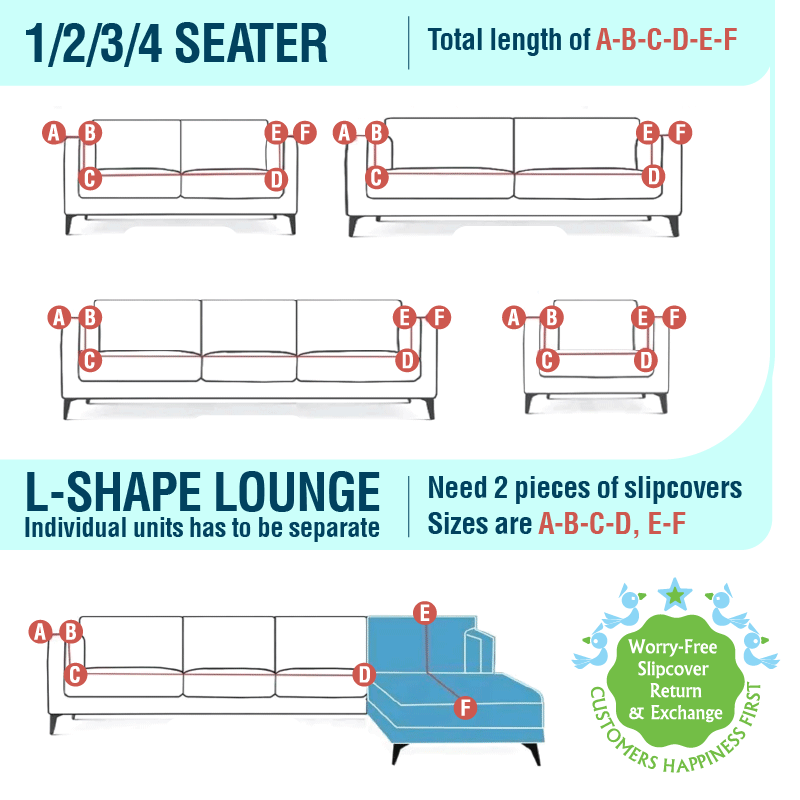
The method: one continuous measurement. Take a single tape measure and run it over the top of the piece . Add up the full length of that path (labelled A through E below) — that total is what determines your size.
For L-shaped: You need 2 pieces for L-shaped sofas, measure each unit separately (main body A-D and chaise E-F)
Size ranges by seat count (total A+B+C+D+E+F length):
| Sofa size | Total length (A+B+C+D+E+F) |
|---|---|
| Single seat | 90–140cm (35–55in) |
| Two seat | 145–185cm (55–73in) |
| Three seat | 190–230cm (75–91in) |
| Four seat | 235–300cm (92–118in) |
| Five seat | 300–360cm (118–142in) |
Stretch vs Woven vs Water-Repellent: Choosing a Fabric
| Fabric type | Feel | Best For | Care |
|---|---|---|---|
| Stretch (spandex polyester blend) | Snug, contoured fit that moves with the furniture’s shape | Irregular or slightly non-standard sofa shapes; easiest to fit yourself | Machine washable, cold wash recommended to preserve stretch |
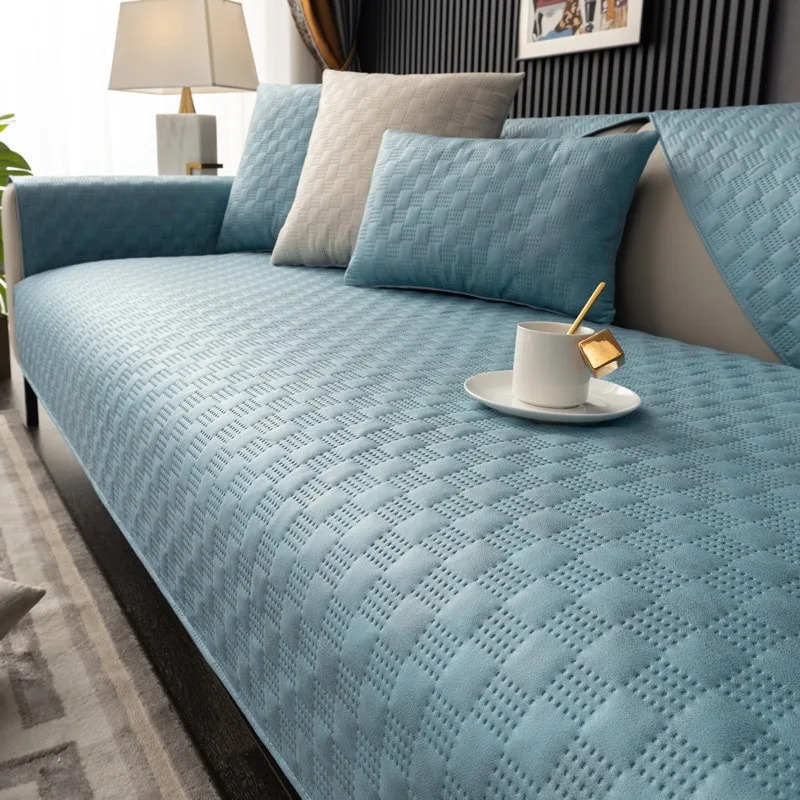
| Woven ( soft velvet/Jacquard) | Structured, tailored look; sits more like upholstery | Living rooms where you want the cover to look like a genuine reupholster, not a “slipcover” | Machine washable; iron on low if a crisp look matters to you |
| Water-repellent | Slightly firmer hand-feel due to the coating | Households with kids, pets, or anyone who eats on the sofa | Wipe spills immediately for best repellency; still machine washable |
If you have pets: our dedicated pet couch cover range adds scratch-resistant weave on top of water repellency — worth choosing over the general water-repellent line if claws (not just spills) are the main concern.
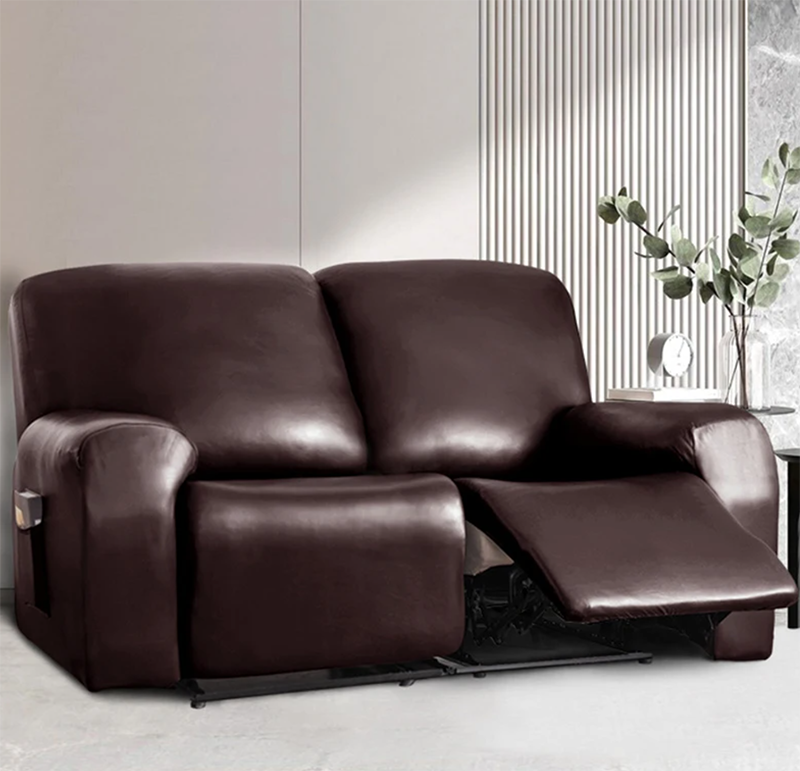
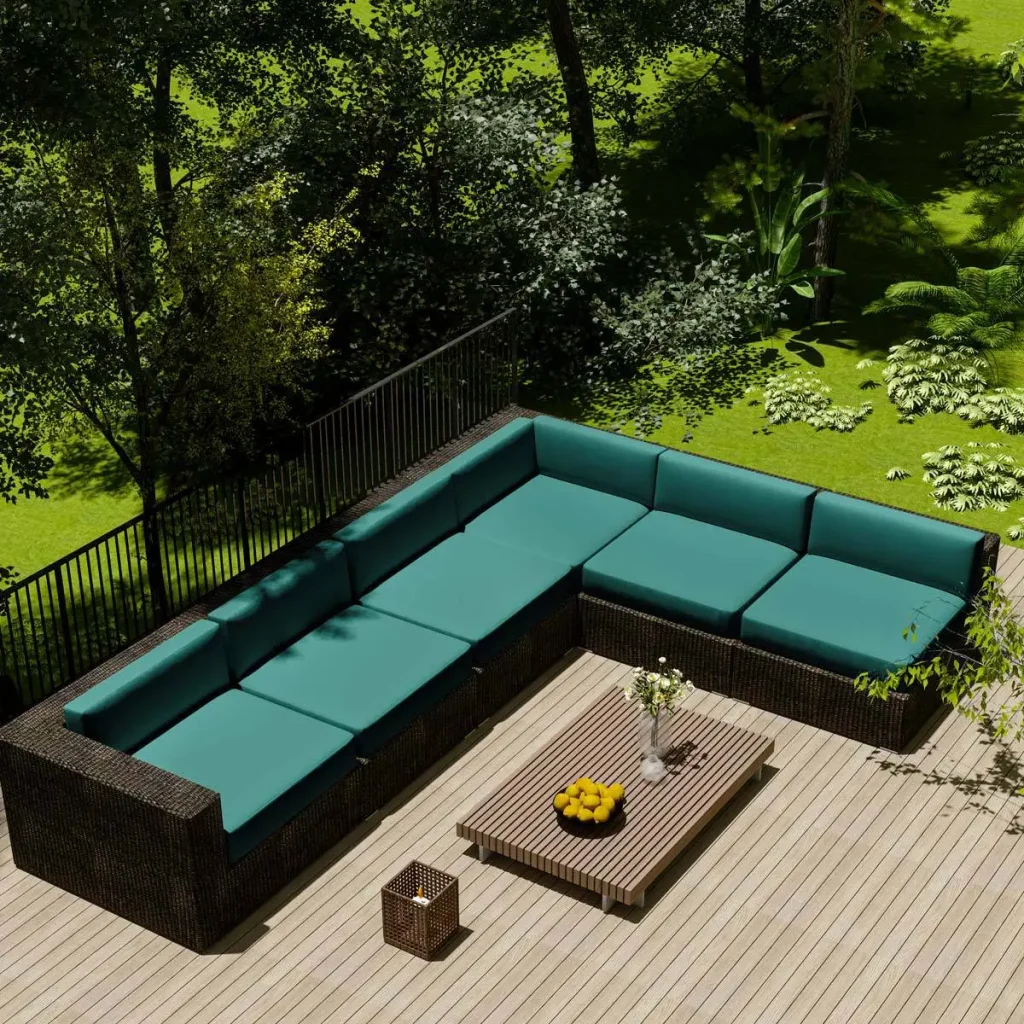
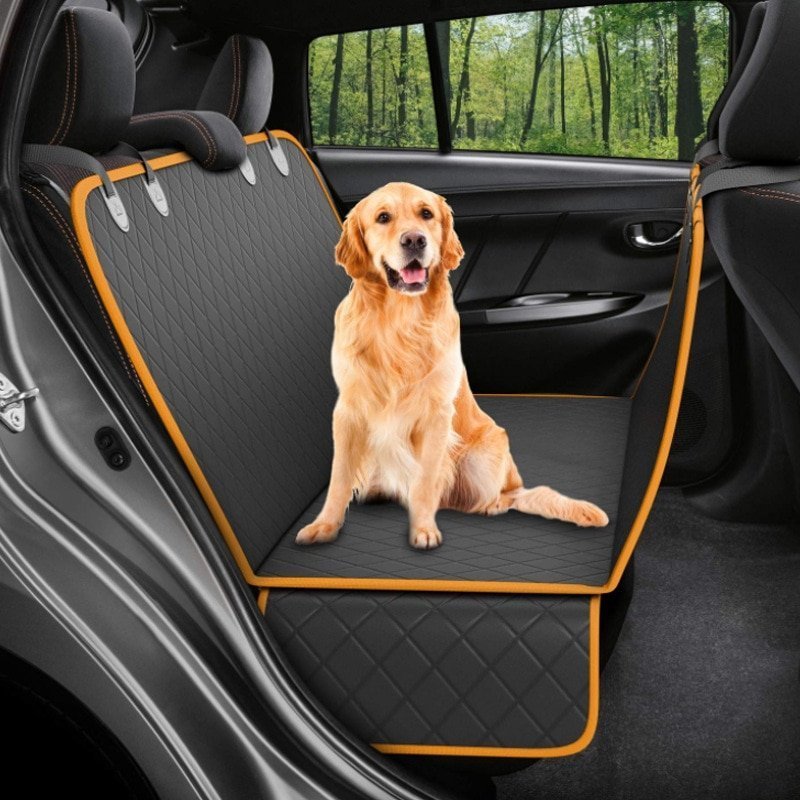
Choosing a Style & Colour: This Is the Fun Part
Once the fit and fabric are sorted, colour and pattern carry almost no risk — a cover is one of the few furniture decisions you can genuinely change your mind on next season without any real cost.
A few thoughts worth considering:
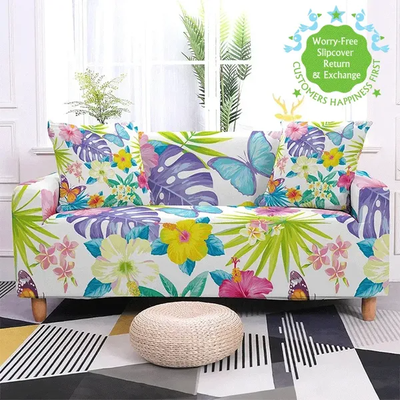
- Let the cover do more than protect — let it reset the room. A patterned or boldly coloured slipcover over a plain, ageing sofa is often a faster, cheaper way to change how a whole living room feels than repainting walls or buying new furniture.
- Contrast on purpose reads better than “safe” matching. A neutral sofa with a richly patterned throw or cushion combination (rather than a matching plain cover) often looks more deliberately styled than a cover chosen purely to blend in.
- Seasonal swapping is a real option, not just a marketing idea. Because covers are inexpensive relative to furniture and machine washable, owning two covers — a heavier textured one for winter, a lighter or brighter one for summer — is a genuinely practical way to refresh a room twice a year for very little cost or effort.
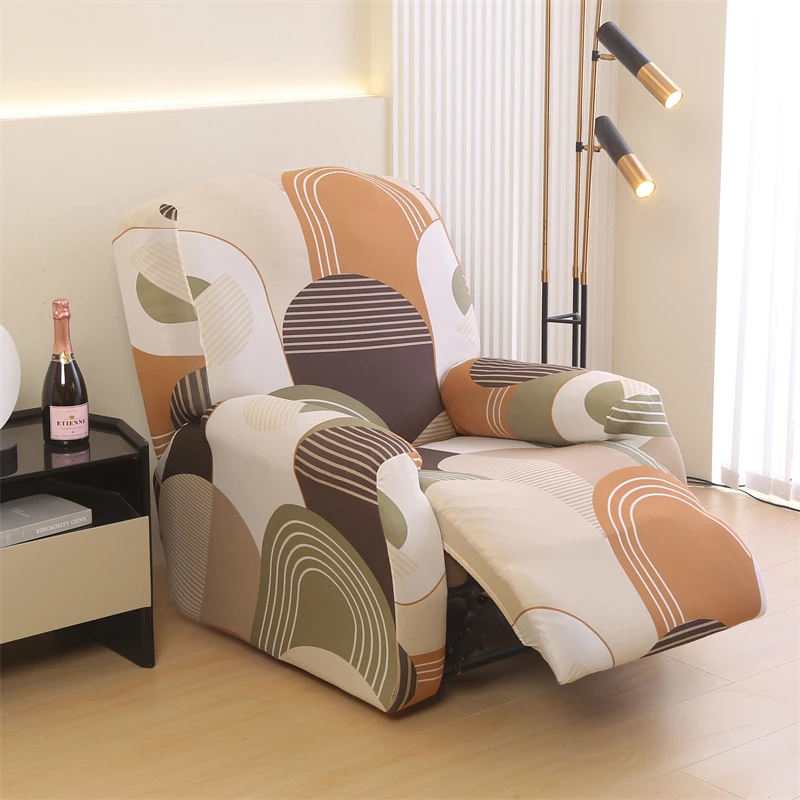
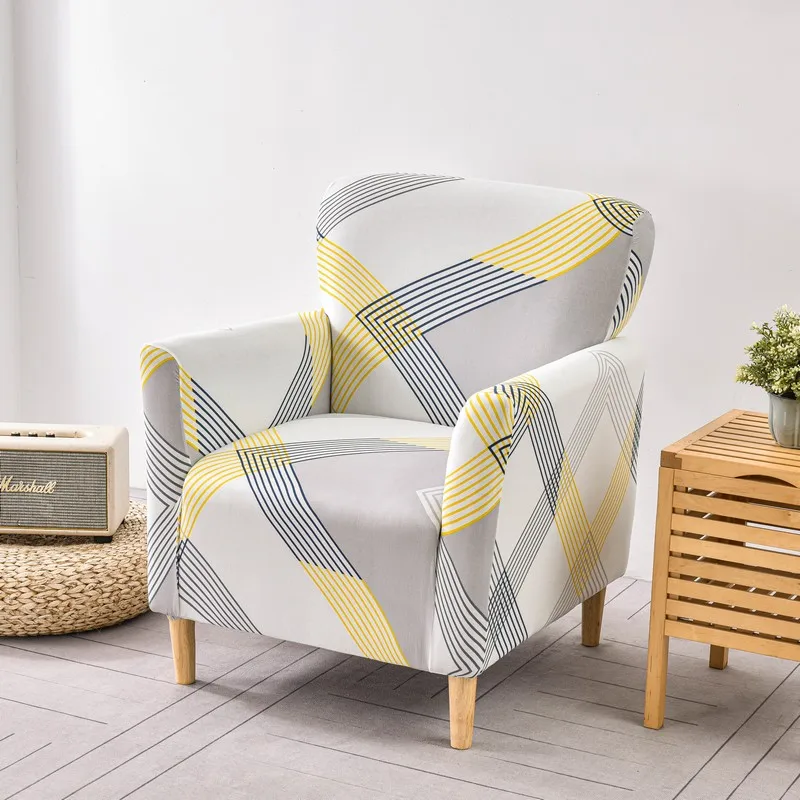
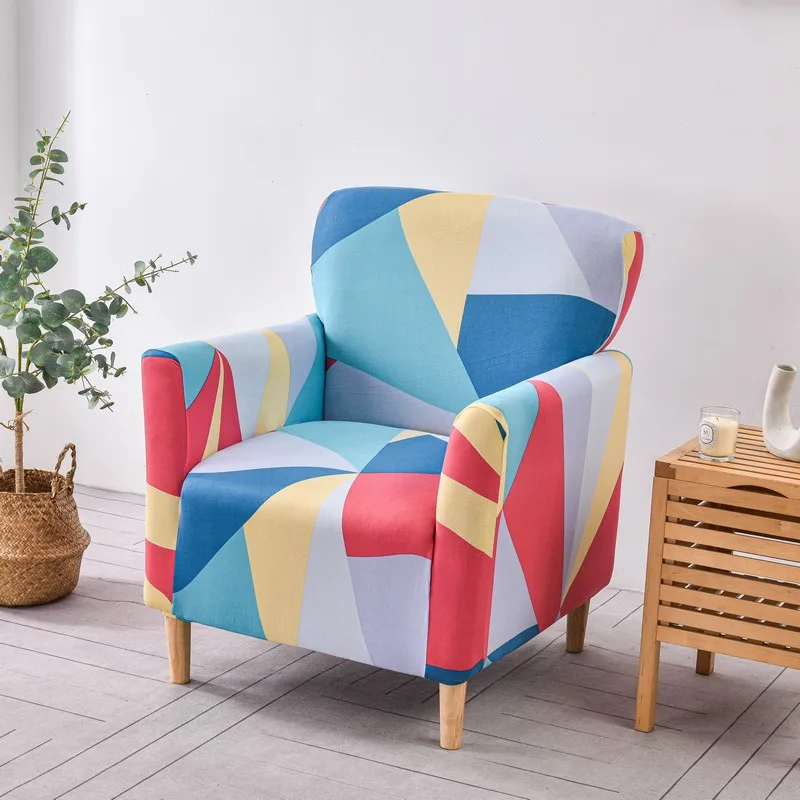
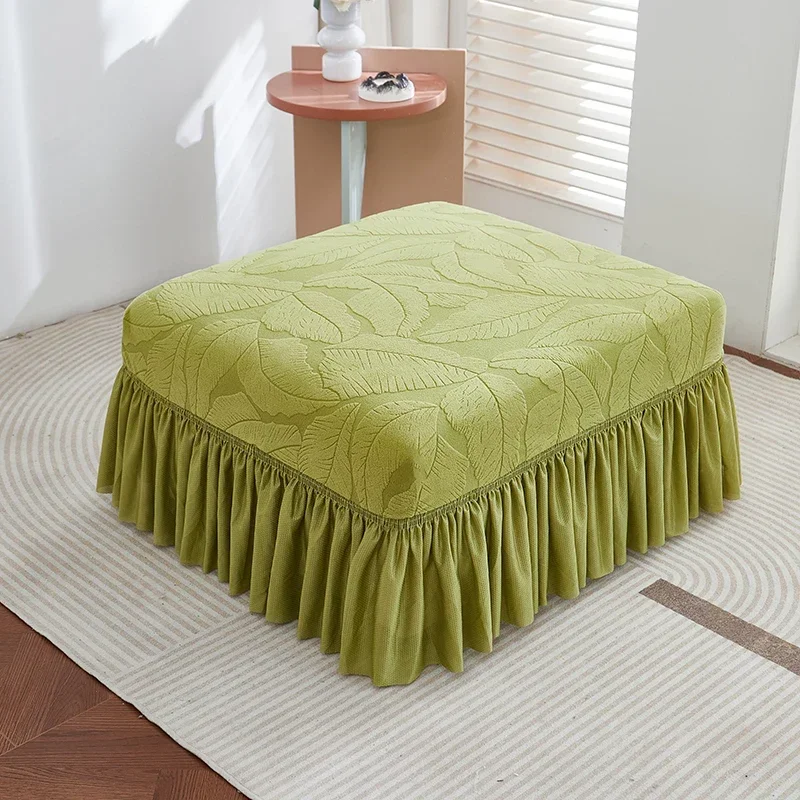
- Let each piece have its own personality. There’s no rule that your armchair, sofa, and dining chairs need to match exactly. A William Morris print on an accent chair against plain dining chair covers, for example, tends to look curated rather than mismatched — treating each piece as its own small decision rather than enforcing one fabric across the whole room.
- Undertone still matters, even with fabric. The same warm-vs-cool principle that applies to hardware finishes applies here — a warm-toned print (rust, mustard, terracotta) sits naturally with warm timber floors and warm lighting, while a cool-toned print (navy, grey, sage) suits cooler-toned rooms. Get the undertone right and almost any specific pattern within that family will feel intentional.
Fitting Tips
- Fit the back and seat sections first, then work the arms — this order makes tucking and adjusting far easier than starting at the arms.
- Use the tuck-in gaps between cushions and frame to hide excess fabric — a small foam wedge or rolled towel pushed into the gap holds the fit firmer through daily use.
- For stretch fabric, ease it on gradually and evenly from one side to the other rather than pulling hard from one corner — pulling too hard from one point can distort the weave.
- Elastic straps or ties (included with most of our covers) should sit underneath the cushions or around the legs, not visible from the front, for the cleanest finished look.
Slipcovers: Quick FAQ
What if I order the wrong size?

We offer a Worry-Free Slipcover Return & Exchange within 30 days of purchase — measure carefully, but know you’re covered if it doesn’t fit as expected.
Can I wash the cover with the elastic straps/ties attached?
Yes, all our covers are designed to be machine washed as a whole piece — no need to remove any attached straps or ties beforehand.
Will a stretch cover work on a boxier, less rounded sofa?
Yes — stretch fabric is actually more forgiving on structured, boxy frames than curved ones, since it has less shaping to contour around.
Do I need a different cover for a reclining sofa versus a fixed sofa?
Yes — always check that the specific listing is designed for recliners if you have one. A standard fixed-sofa cover won’t accommodate the moving mechanism and footrest.